
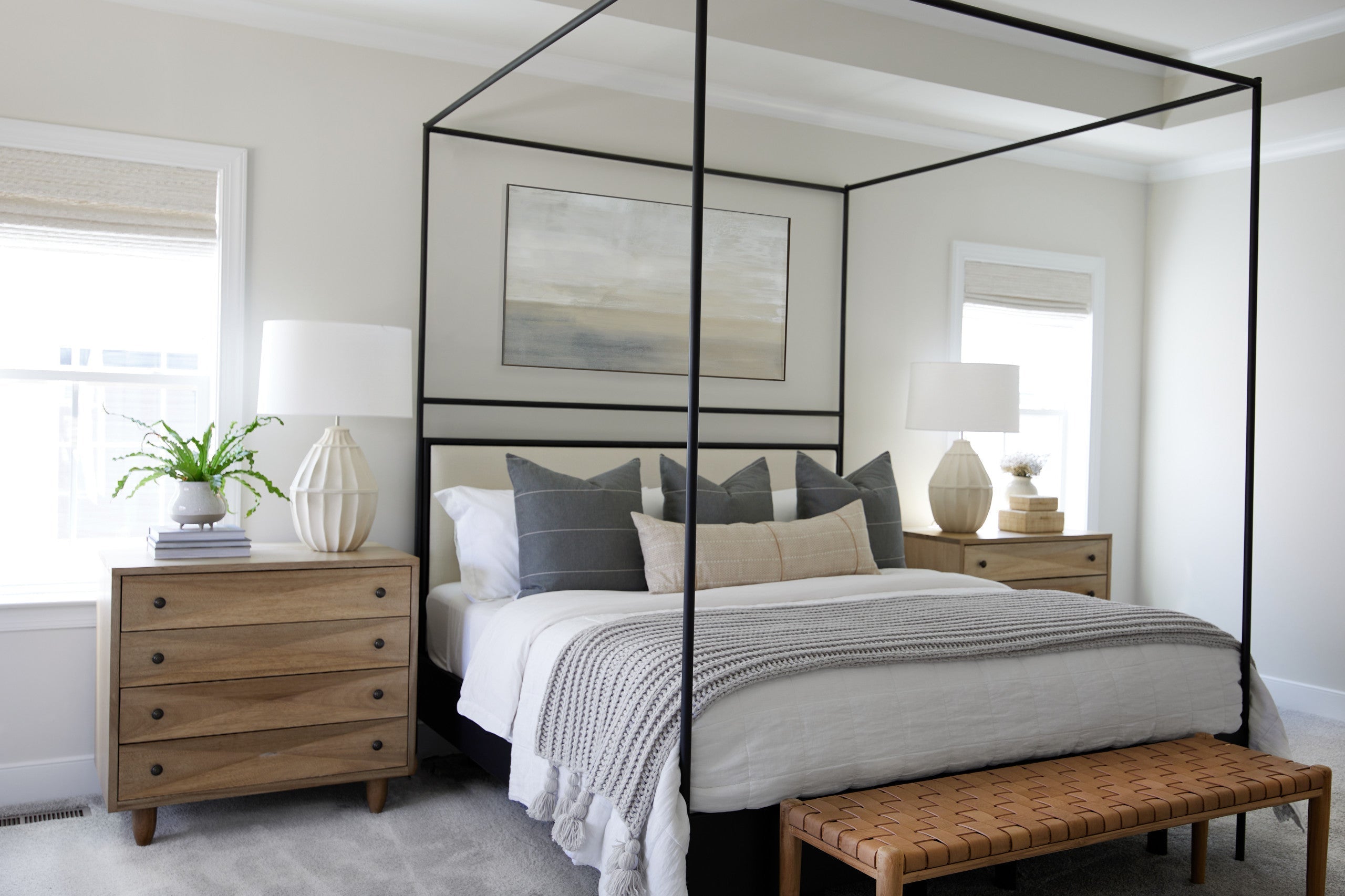
Biophilic Design: Connecting Interiors with Nature
We are wired for nature, but modern life often severs that connection. Biophilic design repairs it—reintroducing the patterns, materials, and rhythms of the natural world into our living spaces. It’s not just a trend; it’s a philosophy of well-being. When done thoughtfully, biophilic interiors feel restorative, grounding, and quietly alive.
Luxury design today is no longer defined by excess but by authenticity—by how a room makes you feel when you step inside. Natural materials, filtered light, greenery, and organic forms all work together to remind us of something essential: home should be as nurturing as nature itself.
The Essence of Biophilic Design
At its core, biophilic design celebrates our innate connection to the natural world. It integrates natural elements—like wood, stone, and plants—into the built environment to enhance well-being and create harmony between people and place.
The goal is subtle but profound: to craft natural interiors that breathe, evolve, and invite calm. It’s about more than simply adding a few plants; it’s about designing spaces that echo nature’s complexity and balance. Every texture, line, and tone contributes to a sense of quiet vitality.
When incorporated into luxury interiors with greenery, the effect is transformative. Natural materials soften sharp architecture, greenery adds dimension and freshness, and organic shapes bring ease. Together, they turn static rooms into living environments.
Materials That Speak
The story of biophilic design begins with materials that feel alive. Choose finishes that carry nature’s imprint—woods with visible grain, stone with natural veining, linens and wools that reveal their weave. These tactile surfaces engage the senses and anchor interiors in authenticity.
Oak, walnut, and ash offer warmth and depth; marble and travertine bring timeless sophistication; linen, cotton, and wool add texture and softness. When these materials interact, they create harmony—a layered, sensory richness that no synthetic finish can replicate.
In organic modern design, the power of materials lies in their honesty. A matte oak table paired with a honed marble tray feels both grounded and elevated. A wool rug underfoot softens the room's geometry. Every surface tells a story of craft and connection.
To enhance this feeling, let imperfection show. The slight irregularity in a hand-thrown ceramic vase, or the patina on an aged brass handle, speaks of life and touch. True luxury embraces these nuances—they’re what make a space human.

Greenery as Architecture
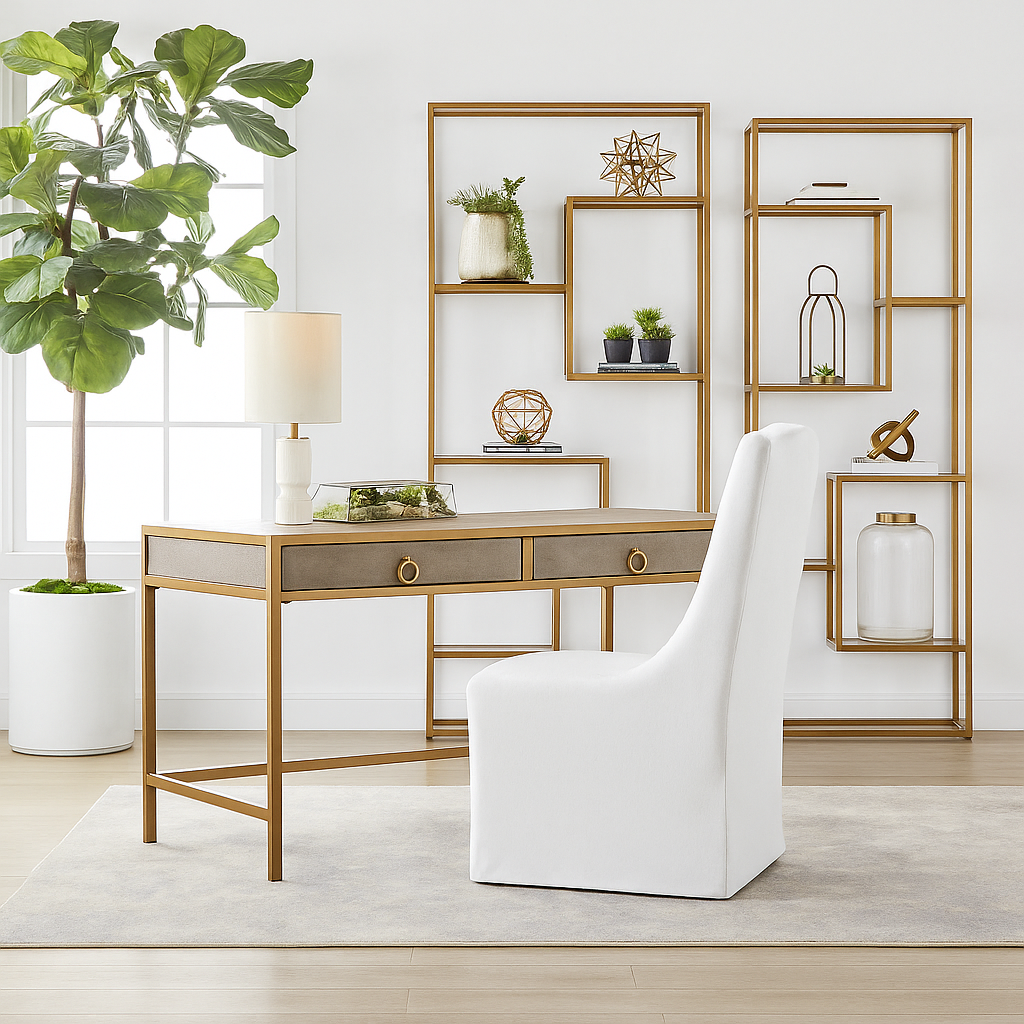
Plants aren’t afterthoughts in biophilic interiors—they’re structural elements. Greenery brings architecture to life. A tall fiddle-leaf fig anchors a corner with the presence of a column, while a cascading pothos softens the edges of a shelf or console. Ferns bring movement, succulents offer sculptural calm, and seasonal flowers inject energy and color.
Think of plants as living design tools. They balance scale, enhance proportion, and add vertical rhythm to a room. In open spaces, a large potted tree can define zones without creating barriers. In more intimate settings, small arrangements—like trailing ivy on a bookcase or a vase of branches on a console—create quiet moments of connection.
For luxury interiors with greenery, quality and placement matter. Choose ceramic or stone vessels that complement your materials palette. Position plants where they interact with natural light—near windows, beneath skylights, or along sight lines that draw the eye through the room. The goal is not clutter, but composition.
When styled with intention, greenery becomes architecture—alive, sculptural, and essential.
{formbuilder:112316}
Forms That Echo Nature
Nature rarely draws a straight line. It curves, bends, and flows—and our interiors feel softer when we follow its lead.
Incorporate organic forms to create ease and movement: a rounded sofa that hugs the room, a coffee table with a live-edge top, or pendant lights that arc like branches. These shapes bring fluidity and offset the rigidity of architectural lines.
Curves and asymmetry evoke a sense of calm because they reflect how we experience the world outdoors. A river doesn’t flow in a straight path; a tree doesn’t grow symmetrically—and that unpredictability makes it beautiful.
To introduce natural rhythm into luxury interiors, consider furniture with gentle contours and lighting with sculptural silhouettes. Even the smallest gesture—a circular mirror, a wavy ceramic vase, or a curved-edge console—adds softness that subconsciously mirrors nature’s grace.

Light, Air & Movement
While materials and greenery ground a space, light animates it. In natural interiors, lighting isn’t merely functional—it mimics the movement of daylight.
Allow sunlight to filter through sheer linen drapery or reflect softly off warm-toned walls. Choose lighting that feels organic: pendants made of woven rattan, sconces with alabaster diffusers, or lamps in natural stone. The interplay of shadow and glow adds the depth that every luxury space needs.
Movement, too, is vital. Open windows when possible. Let fresh air and subtle sound enter the room—the rustle of leaves, the faint rhythm of rain. These sensory cues connect your interior to the larger world, grounding modern life in the comfort of the natural.
A Restorative Vignette
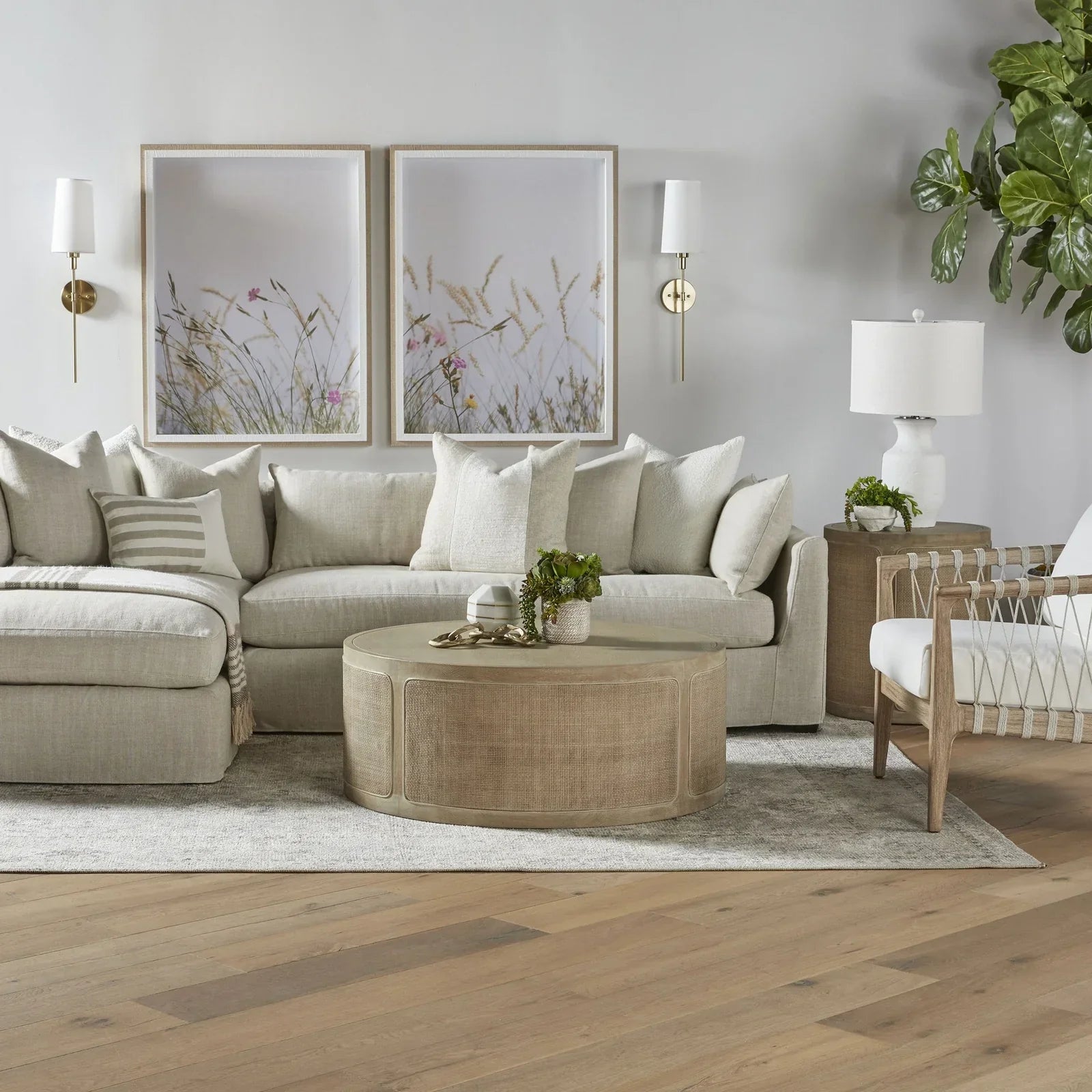
Picture a living room that embodies organic modern design: wide-plank oak floors, a linen-curved sofa, and a stone-topped coffee table. Along the wall, a series of glass doors open to a garden, blurring the line between inside and out.
A tall plant filters sunlight through its wide leaves, casting shadows that shift through the day. The palette is restrained—warm whites, soft grays, gentle greens—but the energy is alive. A wool throw adds texture. A vase of branches adds movement. The room breathes.
This is what biophilic design achieves: a restorative atmosphere that welcomes you to slow down, unwind, and reconnect. It’s luxury not defined by ornament but by feeling.

The Modern Luxury Perspective
In luxury interiors, biophilic design is more than aesthetic—it’s emotional. It brings depth to contemporary spaces that might otherwise feel sterile, and it offers a timeless counterbalance to the pace of modern life.
Designers increasingly use biophilic principles to shape wellness-oriented spaces—homes that nurture body and mind. Materials that age gracefully, furniture that invites touch, and natural light that changes through the day—all contribute to an interior that feels both sophisticated and alive.
A stone console beneath a handwoven mirror, a dining table surrounded by greenery, or a reading nook with filtered sunlight and a view of trees—these are expressions of thoughtful, livable luxury. The goal isn’t to recreate nature but to harmonize with it.

Bringing Nature Home
Bringing nature indoors doesn’t require a complete renovation. It begins with observation. Notice how sunlight enters your space, how materials feel underhand, how color influences your mood. Then, make simple, meaningful choices that align with nature’s rhythm.
Swap synthetic finishes for organic textures. Choose a palette that mirrors the outdoors—earth tones, warm neutrals, and greens. Add a plant or two, a natural-fiber rug, or artwork inspired by landscapes.
The result? A home that feels less like a showpiece and more like a sanctuary—rooted, serene, and profoundly human.
Final Thought
Biophilic design is a quiet revolution in luxury interiors. It reminds us that beauty is not separate from nature—it’s part of it. Through authentic materials, organic forms, and living elements, we create spaces that soothe the senses and elevate everyday life.
In a world defined by speed and screens, reconnecting with nature is the ultimate luxury.

Written by ALISON MCCANN

Leave a comment
This site is protected by hCaptcha and the hCaptcha Privacy Policy and Terms of Service apply.