
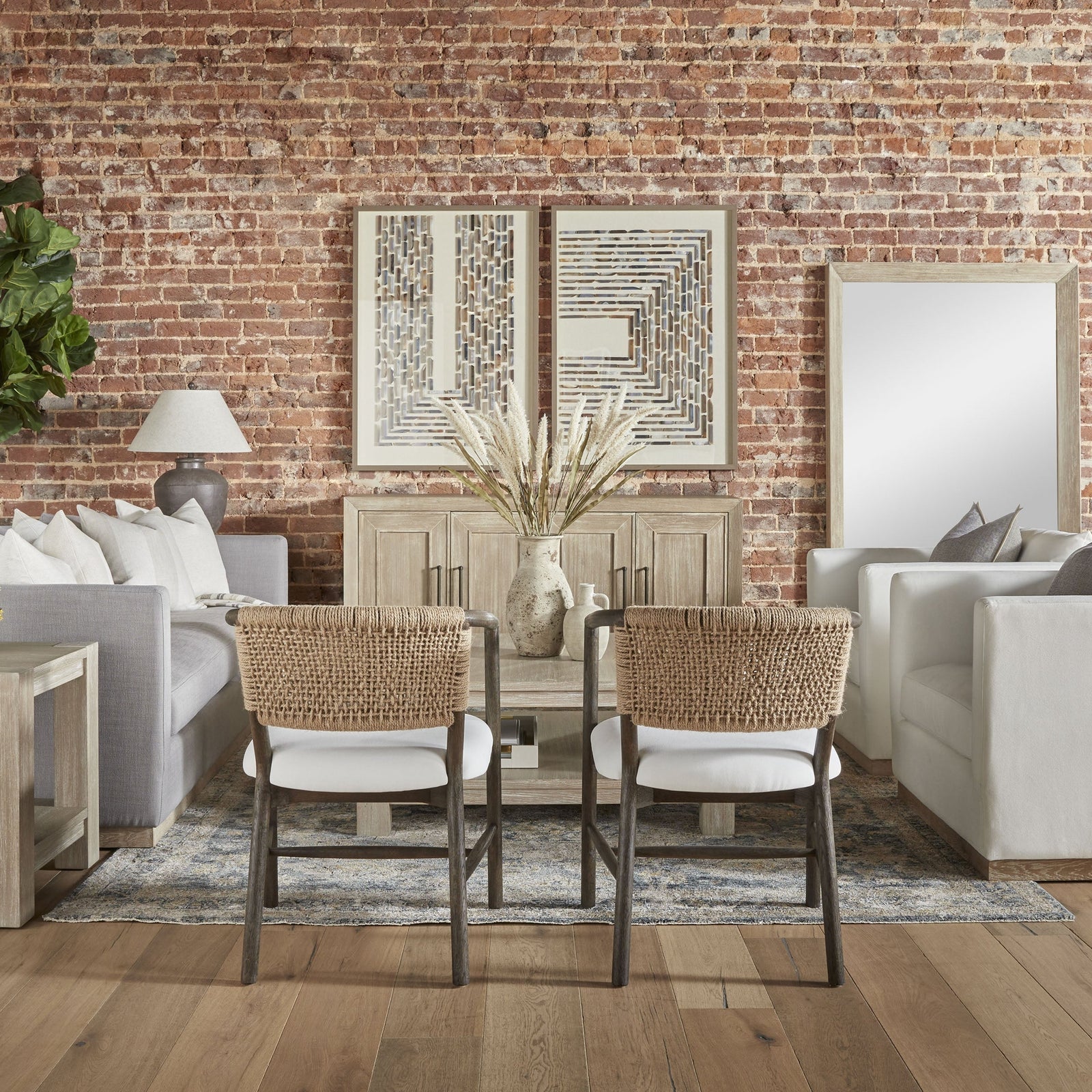
When a Home Begins to Reflect the Life Inside It
There comes a quiet moment in the life of a home when it begins to feel less like a project and more like a reflection.
It doesn’t happen all at once.
It isn’t marked by a final purchase or a finished room.
It happens gradually—almost imperceptibly.
A chair is moved slightly closer to the light.
A surface becomes the place where keys are always set down.
A dining table gathers more memories than plans.
Over time, the home stops feeling arranged and starts feeling lived with.
And that’s when it begins to feel like yours.
Beyond Designing for Appearances
In the early stages of furnishing a home, it’s easy to focus on how things look.
Proportion. Color. Style. Cohesion.
These elements matter. They set the foundation. But eventually, another layer begins to emerge—one that has less to do with aesthetics and more to do with experience.
Homes that feel deeply personal aren’t just visually cohesive. They support the rhythms of everyday life. They anticipate needs. They adapt without drawing attention to themselves.
They feel intuitive.
This shift—from designing for appearance to designing for living—is what gives a home its sense of authenticity.
The Subtle Evolution of a Well-Lived Space
A thoughtfully designed home doesn’t remain static. It evolves.
Pieces are layered over time. Objects are moved, edited, and reimagined. Certain areas become more defined as routines settle into place.
What’s interesting is that the most successful homes rarely feel overworked. Even as they evolve, they maintain a sense of clarity. Nothing feels forced. Nothing feels added for the sake of filling space.
Instead, each change feels like a natural extension of the life unfolding within it.
This kind of evolution can’t be rushed. It requires time, observation, and a willingness to let spaces develop gradually.

Why Function Shapes Feeling
The way a home functions has a direct impact on how it feels.
When storage is intuitive, surfaces stay clear.
When seating is placed thoughtfully, rooms invite conversation.
When furniture is scaled correctly, movement feels easy.
These details may seem practical on the surface, but together they create an emotional response. A home that functions well feels calm. Grounded. Effortless.
It’s not about perfection. It’s about alignment—between the space and the way it’s used.
When that alignment exists, the home begins to support daily life rather than complicate it.
{formbuilder:112316}
Living With Pieces That Adapt Over Time
Some furnishings reveal their value slowly.
At first, they simply occupy space. Over time, they become part of daily routines. A table becomes the place where mornings begin. A console becomes the anchor for arrivals and departures. A chair becomes the one everyone gravitates toward.
These pieces don’t demand attention. They earn it.
Their value lies not just in how they look, but in how they perform over time—quietly supporting the rhythms of the household. This is what gives a home depth: pieces that feel relevant not just today, but years from now.
The Importance of Restraint
As a home evolves, it can be tempting to continue adding. Another accent. Another layer. Another piece.
But the homes that feel most personal are often the ones that know when to stop.
Restraint creates space for living. It allows the pieces that matter most to stand on their own. It keeps rooms from feeling crowded or overly composed.
When every addition is intentional, the home retains its clarity—even as it becomes more layered and lived in.

Creating Spaces That Feel Natural
One of the most compelling qualities of a well-designed home is that it doesn’t feel staged.
There’s a naturalness to the way rooms come together. Furniture feels comfortably placed rather than perfectly arranged. Objects feel meaningful rather than decorative.
This sense of ease comes from designing with life in mind. Not just how a room will look on a given day, but how it will feel over time—through gatherings, quiet mornings, everyday routines.
Homes that embrace this perspective don’t chase trends. They cultivate longevity.
When a House Becomes a Home
At some point, the distinction between “the space” and “your space” begins to dissolve.
You no longer think about what the home needs.
You simply live in it.
Rooms feel familiar. Movements feel intuitive. The environment supports you without requiring constant attention or adjustment.
This is when a house becomes a home—not because every detail is perfect, but because everything feels aligned with the life being lived inside it.
That alignment is what gives a home its sense of permanence.

Designing With Life in Mind
The most enduring interiors are those designed with flexibility and intention from the beginning.
They allow for change without losing their foundation. They welcome new layers without feeling cluttered. They support both everyday routines and meaningful moments.
When design is approached this way, the home becomes more than a collection of rooms. It becomes a framework for living—one that evolves naturally while remaining grounded in thoughtful choices.
Over time, the home reflects not just a style, but a way of life.
And that reflection is what makes it truly complete.
Explore Thoughtfully Designed Furnishings
Discover furniture designed to support the way you live—beautifully, intentionally, and over time.

Written by ALISON MCCANN


Leave a comment
This site is protected by hCaptcha and the hCaptcha Privacy Policy and Terms of Service apply.