
Article: How to Arrange Furniture in Small Spaces Without Compromising Style
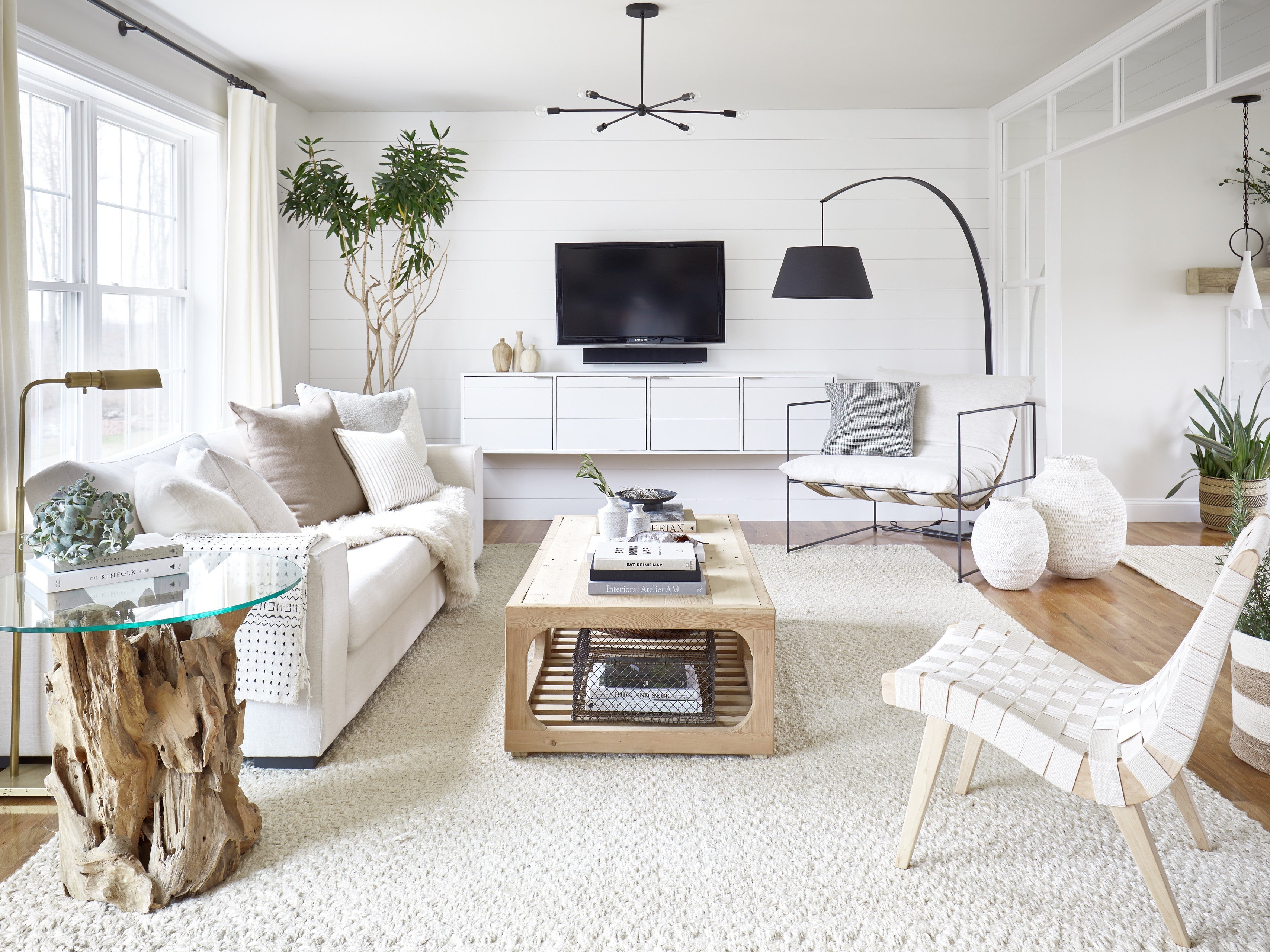
How to Arrange Furniture in Small Spaces Without Compromising Style
Small Space Furniture Layout Ideas
The loveliest rooms aren't always the largest; they're the most intentional. Luxury small space design requires editing carefully, choosing pieces that fulfill more than one function, and placing them with the precision of a tailor's stitch. When everything must count, nothing can be an afterthought. That’s where quiet luxury becomes real—where small spaces feel as refined as grand ones.
When you approach a compact room, think of it less as a limitation and more as a canvas for curation. Instead of filling it quickly, imagine layering it like a fine outfit: one piece at a time, each earning its place. The luxury of a small space is that you must make deliberate choices, and those choices add up to an atmosphere of calm refinement. By removing the unnecessary, what remains feels rare, precious, and deeply considered.
Begin by reading the architecture the way a designer would. Stand in the entry and let your eye travel through the room. Where does the light fall? Which wall naturally wants to hold a larger piece? Where will circulation naturally occur? In compact living rooms and studio apartments, the path from door to window is sacred. Preserve that line of movement and you’ll gain an effortless sense of calm before a single pillow is placed.
Think of this first step as choreography. The way people move through the room will dictate whether it feels harmonious or hectic. A sofa shifted just six inches to the left can mean the difference between a graceful flow and a cramped shuffle. Every decision is amplified in small apartment design, so reading the architecture is like studying the rules before playing the game.

The focal point that sets the tone
Every small room needs one specific anchor. Sometimes it's a minimalist sofa parallel to a center wall; sometimes it's a view or a fireplace. Allow that anchor to set the geometry of the layout, then let the supporting players fall back. If your anchor is a sofa, put a rug of appropriate scale under the front feet, then introduce a coffee table that allows for comfortable reach—14–18 inches from seat to table edge works beautifully without feeling cramped.
Anchors are not limited to furniture. In a studio apartment, the anchor might be a large piece of art that commands the wall and gives the entire space a point of identity. In a small dining nook, the anchor might be a sculptural chandelier that hangs low enough to visually claim the zone. Once the anchor is clear, the eye settles, and the rest of the space feels composed instead of chaotic.
Another tip: in compact living room furniture arrangements, avoid competing focal points. If your fireplace is the star, let the sofa and rug play supporting roles. If your view is the anchor, keep window treatments subtle and let the outdoors be the showpiece. Quiet luxury interiors thrive on restraint—it’s about choosing one moment to shine and editing the rest to support it.

Proportion is more significant than size.
Designers don't ask "what's the biggest piece that will fit?" They ask how one piece relates to the next. In small floor plans, choose sofas with slender arms and legs that are elevated to show more floor. That wedge of negative space tricks the eye into thinking the room is larger. Curved silhouettes soften traffic paths; nesting tables nest when they're not being used; a large-surfaced ottoman can switch roles from coffee table to perch in an instant.
Think of proportion as conversation. A low, oversized sectional may overwhelm a compact room, while a slimmer tuxedo sofa allows space for a pair of side chairs to converse naturally. Similarly, a tall armoire paired with a low-profile bed creates balance through contrast, where scale feels dynamic instead of oppressive.
Luxury is less about size and more about harmony. A 60-inch round dining table may feel more gracious than an 84-inch rectangle in a small apartment because it creates breathing room for chairs, conversation, and circulation. Scale invites intimacy—when chosen well, proportion creates rooms that feel warm, livable, and considered.

Storage you don't see
The boundary between cozy and cluttered is what's out of sight. Opt for tables and benches with secret storage, a media console that devours cords and remotes, and an upholstered storage ottoman that mutes visual clutter. In bedrooms, a storage bed renders an oversized dresser redundant; in entries, a lidded bench rounds up scarves, tote bags, and the clutter of daily life.
Invisible storage is the unsung hero of high-end apartment décor. It allows you to live fully in a space without the noise of daily life interrupting the serenity. A set of nesting baskets tucked under a console keeps shoes in check; a lift-top coffee table hides everything from magazines to remote controls. Guests may never see these details, but they’ll feel the tranquility that comes when everything has its place.
Small kitchens benefit enormously from hidden storage solutions. A slim rolling cart tucked between the refrigerator and wall, a bench seat with a hinged lid for linens, or a vertical spice rack inside a cabinet door can transform how orderly a space feels. The trick is designing storage into pieces that look sculptural and elevated, so practicality never feels pedestrian.

The vertical plane
When floor space is scarce, height is your ally. Drapery mounted high and wide makes windows appear taller. Wall-mounted sconces free up tabletops. A taller bookcase leads the eye upward. A large mirror opposite a window doubles the light and fools the eye into perceiving width.
Vertical thinking transforms not just function but also mood. Imagine a gallery wall that rises to the ceiling: it doesn’t just display art, it creates an architectural moment. Floating shelves arranged in staggered heights turn a blank wall into sculpture. Even a tall plant—like a fiddle-leaf fig—draws the eye up, adding a sense of volume to the room.
In luxury apartment living, verticality is also about rhythm. Instead of stacking one tall bookcase in a corner, consider flanking a fireplace with twin cases for symmetry. Instead of one pendant light, try a trio hung at staggered heights. These choices add vertical motion, making the eye dance upward and giving the illusion of a more expansive space.

Color and light as architecture
Color is architecture in small spaces. Keep contrasts soft—such as ivory and stone, or oatmeal and mushroom—so that edges recede and the envelope feels roomy. Layer textures—travertine, oak, linen, bouclé—for depth, not density. Light in layers: overhead muted, a floor lamp beside the sofa, a sconce over the reading chair.
Pale palettes expand, but don’t shy away from depth. A moody indigo accent wall in a compact bedroom can feel cocoon-like, especially when paired with crisp bedding and metallic accents. The trick is balance: let one surface carry saturation while the others remain calm.
Lighting deserves the same attention as furniture. A sculptural floor lamp not only provides illumination but also acts as art. Dimmers allow you to shift mood with a single gesture. In small rooms, where every corner matters, lighting is as much about atmosphere as it is about function.
A Quick Edit
Picture a 450-square-foot apartment: a floating 84-inch linen sofa stands a few inches off the wall, paired with a round stone coffee table. A mirror opposite the window doubles the daylight. A console behind the sofa keeps messes out of sight. The room also feels bigger because everything has been carefully edited.
Editing is where design maturity shows. It’s tempting to add “just one more” side table or layer “just one more” pillow, but luxury comes from discipline. When in doubt, subtract. If a piece doesn’t serve a purpose—functionally, emotionally, or visually—it doesn’t belong.
Small spaces teach us the joy of essentials. The linen sofa earns its place by being versatile and timeless. The stone coffee table grounds the space with texture. The mirror adds both beauty and practical enhancement of light. Each choice feels meaningful, and together they tell a story of intentional design—a hallmark of quiet luxury interiors.

Written by ALISON MCCANN

Leave a comment
This site is protected by hCaptcha and the hCaptcha Privacy Policy and Terms of Service apply.